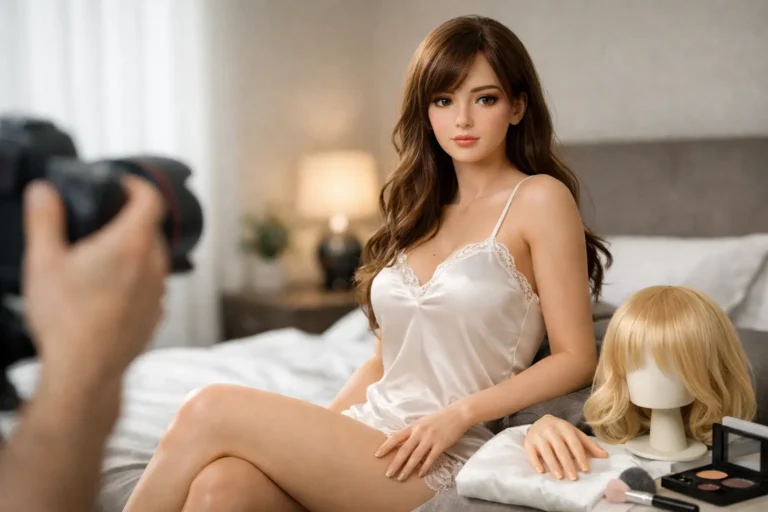

A doll can look impressive in a photo and still feel disappointing the moment it arrives. That gap is usually where buyers start asking what makes dolls realistic – and the answer is never just one feature. Realism comes from how materials, sculpting, weight, proportions, facial detail, and movement work together to create an experience that feels convincing up close, not just on a screen.
If you’re comparing premium companion dolls with cheaper imports, this matters more than ever. A realistic doll is not simply about visual appeal. It’s about presence. The way the skin catches light, the softness under your hand, the balance of the body when posed, and the expression in the face all shape whether a doll feels like a fantasy brought to life or a product that falls short.
What makes dolls realistic in real life, not just in photos
Studio lighting can hide a lot. Heavy editing can smooth out poor skin texture, exaggerate body shape, or make facial details appear finer than they really are. That is why realism has to be judged by qualities that hold up in person.
The first is material quality. High-end silicone has a density and finish that gives the body a more lifelike look and feel. It can carry fine texturing, subtle skin folds, and more natural contours than lower-grade materials. Cheap dolls often look shiny or flat, and that artificial surface tends to ruin the illusion immediately. The eye notices when skin reflects light like plastic.
Weight distribution is another major factor. A realistic doll should have a body shape that feels proportionate and grounded when handled or positioned. If the limbs feel oddly light, the torso too rigid, or the body weight poorly balanced, realism disappears fast. The most convincing models are designed so the whole figure has believable mass, rather than simply being heavy for the sake of it.
Then there is proportion. Some buyers want exaggerated curves, and that can still be part of a premium doll range. But realism usually sits in the finer decisions – shoulder width, waist transition, thigh shape, hand size, collarbone definition, and the natural way one feature flows into the next. Bodies that are overdone in every area may look dramatic, but not necessarily lifelike.
The face is where realism is won or lost
Body design gets attention, but the face is what creates connection. If you want to understand what makes dolls realistic, start there.
A convincing face depends on sculpting depth, not just beauty. The cheeks need natural volume. The lips should have definition without looking stiff. The nose, brow line, and jaw need harmony from different angles, because realism falls apart when a face only looks good straight on. Premium face design often comes from detailed 3D modelling and refined mould work that creates more believable expression.
Eyes matter even more than many buyers expect. Cheap eyes can look vacant, overly glossy, or slightly misaligned. Better dolls use detailed iris patterns, more natural sclera colouring, and careful placement that gives the face warmth rather than a mannequin stare. Eyelashes and eyelid shape also influence realism in a huge way. Small changes here can make a doll appear soft, seductive, youthful, mature, or completely artificial.
Make-up should enhance, not cover. Overapplied blush, harsh lip colour, or dramatic liner can make a doll look stylised instead of lifelike. Subtle cosmetic detailing usually gives the best result, especially when paired with a skin tone that has variation instead of one flat shade.
Hair also changes everything. A well-chosen wig frames the face and supports the overall illusion. Hairline shape, fibre quality, density, and style all matter. Even a beautifully sculpted doll can lose realism with a cheap, overly shiny wig that looks obviously synthetic.
Skin texture and touch create the ultra-realistic feel
Visual realism gets the first reaction, but tactile realism is what keeps the experience convincing. That is where premium dolls separate themselves from lower-end alternatives.
Skin should not feel uniformly smooth like a toy. Realistic silicone can include subtle texture, softness in key areas, and a more natural surface response when touched. The best models mimic the variation of the human body – firmer in some zones, softer in others, with delicate detailing around hands, feet, joints, and intimate areas.
Temperature also plays a role. A doll that feels cold and inert can break the mood quickly. Features such as oral heating or warming systems do not replace craftsmanship, but they can add another layer to the lifelike experience when done properly. This is one of those areas where it depends on what you value. Some buyers care most about visual authenticity, while others want interactive realism that brings more intimacy into the encounter.
Scent is rarely discussed, but it influences perception. High-quality materials tend to have less of that harsh chemical smell often associated with low-cost factory products. That alone can make a premium doll feel far more refined from the first unboxing.
Movement and skeleton design matter more than most buyers realise
A realistic appearance means little if the doll cannot pose naturally. Skeleton design is one of the less glamorous details, but it has a massive effect on satisfaction.
The internal frame controls how the doll sits, lies back, bends, and holds position. Poor skeletons create awkward angles, resistance in the wrong places, and poses that look forced rather than fluid. Better frames allow smoother articulation and more believable posture. Even when the doll is simply resting on a bed or seated in a chair, good mechanics create a more natural presence.
Hands are often a giveaway. If fingers are stiff, unnaturally spread, or impossible to position with subtlety, they draw attention for the wrong reason. The same goes for elbows, knees, shoulders, and neck movement. Realism is often built from these smaller details that stop the body from looking static.
Some advanced models go further with automated movement, responsive features, or AI interaction. These can deepen the sense of companionship and intimacy, but only when the base doll is already realistic. Technology layered onto poor craftsmanship rarely fixes the core problem. It just adds cost.
Why customisation can make a doll feel more lifelike
No single face or body suits every buyer. Realism is personal. What looks lifelike to one person may feel exaggerated or generic to another.
That is why customisation matters. Choice of face, bust, body type, skin tone, wig, eye colour, and styling helps create a companion that feels tailored rather than mass-produced. This does not just improve aesthetics. It strengthens the emotional side of realism. A doll becomes more convincing when it reflects your taste instead of a factory default.
For Australian buyers, local curation can make a noticeable difference too. Face styles and body proportions selected for local preference often feel more refined than generic catalogue models designed to appeal to everyone and no one. That is one reason specialist retailers such as Lovaé focus on curated ranges rather than flooding shoppers with endless low-trust listings.
The hidden side of realism is trust
There is another angle to what makes dolls realistic, and it has nothing to do with skin or sculpting. It is buyer confidence.
If you cannot trust the photos, the specifications, the shipping process, or the seller’s support, then judging realism becomes much harder. Many buyers are not only worried about whether the doll looks lifelike. They are worried about whether the product that turns up will match what they paid for.
That is where a transparent retail experience matters. Clear product details, honest images, responsive support, and the option to inspect quality through a showroom or local service all reduce the risk of disappointment. In a category where privacy matters, discretion and trust are part of the premium experience.
A realistic doll should feel considered at every stage – from design and material to packaging and after-sales care. If the buying process feels dodgy, rushed, or vague, that usually reflects the product as well.
What to look for if realism is your top priority
If realism matters more to you than price alone, slow down and assess the full picture. Look closely at facial sculpting, skin finish, body proportion, joint flexibility, and tactile details. Ask whether the doll will still look convincing in ordinary lighting, from different angles, and at close range. Think about how much interactive technology actually adds for you, rather than assuming more features always mean a better result.
There is always a trade-off somewhere. Softer materials may require more care. Heavier dolls can feel more grounded but also harder to handle. Highly detailed models usually sit at a higher price point. That does not mean you need the most expensive option on the market. It means the best value comes from choosing the features that shape realism in the ways that matter most to you.
When a doll is truly well made, you notice it immediately. Not because it shouts for attention, but because every detail works quietly together. That is what turns a product into an intimate, believable companion worth bringing into your private space.